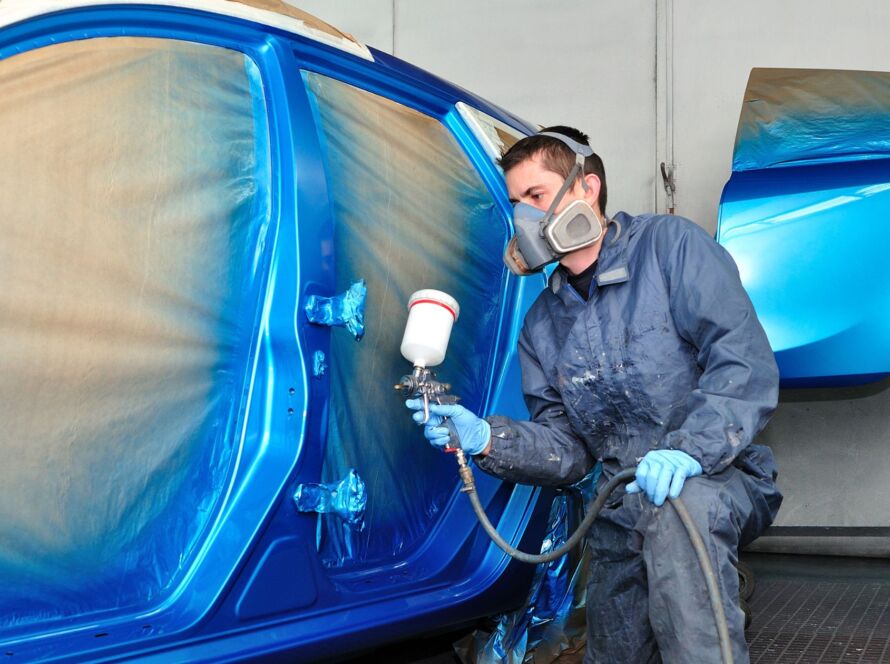
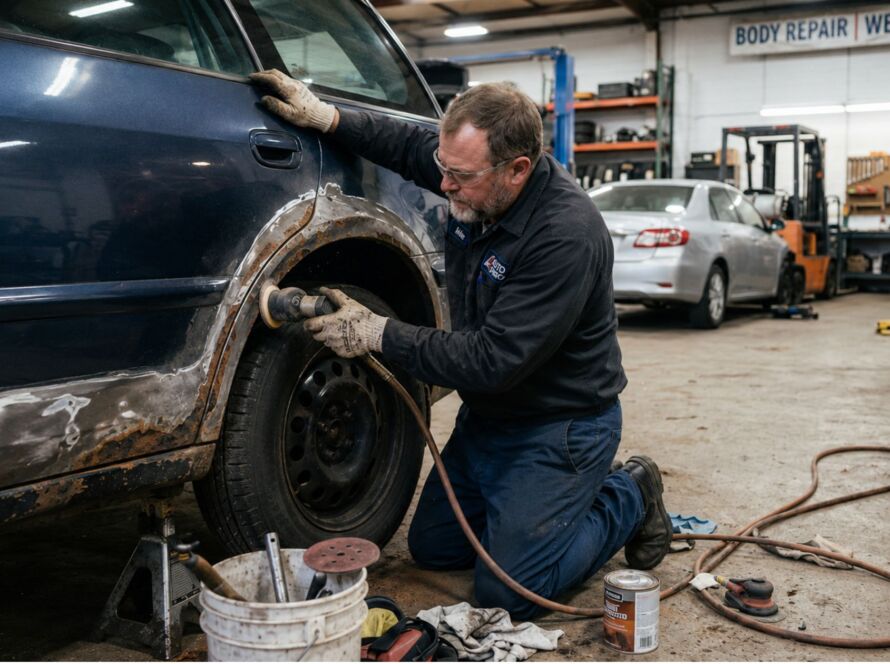
Do It Yourself auto repair allows drivers to save money on simple maintenance tasks such as changing cabin air filters, replacing wiper blades, or checking fluid levels. However, modern safety sensors, intricate engine systems, and high-voltage components demand professional-grade diagnostic tools and technical expertise to prevent costly damage and ensure total road safety. Knowing exactly where your DIY limits end protects both your wallet and your vehicle.
Key Takeaways for Vehicle Owners
- Simple Maintenance: Tasks like swapping air filters, checking tire pressure, and changing wiper blades are beginner-friendly and safe for home driveways.
- Intermediate Tasks: Replacing brake pads, swapping car batteries, and changing engine oil require specific tools, torque accuracy, and proper hazardous fluid disposal.
- Advanced Limits: Modern Advanced Driver Assistance Systems (ADAS), frame alignment, and deep electrical troubleshooting require specialized diagnostic equipment.
- Safety Protocols: Always use jack stands, protective eyewear, and disconnect battery terminals before handling electrical parts.
- Cost Management: Mismatched parts or incorrect installation can void warranties and escalate repair costs significantly.
What Is DIY Auto Repair, and When Does It Make Sense?
Do it yourself auto repair involves vehicle owners performing their own vehicle maintenance, parts replacement, and basic troubleshooting without professional technician intervention. For generations, automobile owners spent weekends in their driveways swapping spark plugs or changing oil. Today, vehicle architecture combines mechanical engineering with computer networks, shifting how drivers approach maintenance.
Handling repairs on your own makes practical sense when the project requires standard hand tools, poses minimal physical risk, and does not require recalibrating onboard digital systems. Routine tasks like replacing windshield wiper fluid or changing a dirty engine air filter take less than fifteen minutes and require no specialized equipment. These basic jobs offer clear financial savings and direct control over your vehicle upkeep.
When evaluating a prospective maintenance project, consider the physical safety involved, the potential cost of errors, and the availability of proper tools. For instance, according to safety statistics published by the National Highway Traffic Safety Administration, mechanical failures often stemming from improper vehicle maintenance contribute directly to thousands of preventable highway incidents each year. Recognizing the precise boundary between a safe DIY driveway project and a complex repair that requires a professional is essential to keeping those defects off the road.
Did you know? According to S&P Global Mobility’s 2025 vehicle age analysis, the average age of U.S. vehicles climbed to 12.8 years in 2025. That matters here because older vehicles in daily use tend to need more frequent basic maintenance, exactly the kind of work DIY repair handles well, even as newer safety tech on other models pushes more jobs toward professional equipment.
Is DIY Auto Repair Worth It?
Determining whether doing your own vehicle maintenance pays off requires looking at labor costs versus the equipment investment required. Basic maintenance jobs yield immediate financial benefits because they demand inexpensive tools you might already own. However, complex repairs often require diagnostic scanners, specialized wrenches, and pneumatic lifts that quickly offset initial savings.
| Maintenance Category | Typical DIY Tool Investment | Relative Risk Level | Recommended Location |
| Basic Maintenance (Filters, Wipers, Bulbs) | $15 to $40 | Very Low | Driveway or Garage |
| Intermediate Repair (Brake Pads, Battery, Fluids) | $80 to $250 | Moderate | Dedicated Garage Space |
| Advanced System Repair (ADAS, Engine Diagnostics) | $1,500 to $5,000+ | Very High | Certified Service Center |
Pro Tip: Before buying specialized tools for a single job, calculate whether buying equipment you may only use once outweighs professional service fees that include warranties and labor guarantees.
Benefits of Doing Basic Car Repairs Yourself
Save Money
Eliminating professional labor rates on simple fluid top-offs and air filter swaps puts cash back in your pocket. Standard shop hourly rates reflect equipment costs and overhead, meaning you pay full technician rates even for five-minute component swaps.
Learn New Skills
Working on your own vehicle builds mechanical confidence and practical problem-solving ability. Learning how mechanical components function together allows you to identify minor issues before they transform into major mechanical failures.
Understand Your Vehicle Better
Regular hands-on inspection familiarizes you with the normal baseline operation of your vehicle. You become instantly aware of strange engine noises, unusual fluid leaks, or subtle changes in brake pedal response.
What Car Repairs Can You Actually Do Yourself?
Oil Changes and Fluid Checks
Changing engine oil remains a classic home project, though it requires safe lifting gear and proper waste management. You must safely elevate the car using rated jack stands, unbolt the oil pan drain plug, replace the oil filter, and refill engine oil to exact manufacturer specifications. Checking power steering fluid, engine coolant, and windshield washer fluid requires no disassembly and should happen monthly.
Pro Tip: Keep a small notebook or phone note logging your oil change dates and mileage. It’s a small habit that pays off when you’re trying to remember whether that noise started before or after your last service.
Air Filter and Battery Replacement
Replacing engine and cabin air filters requires no mechanical background. Most filter housings snap open with simple clips or require a standard screwdriver. Battery replacement is similarly straightforward, provided you follow correct terminal disconnection rules. Always remove the negative black cable first and reconnect it last to prevent short circuits.
Headlight Bulb and Wiper Blade Swaps
Replacing worn windshield wiper blades takes less than five minutes using simple snap connectors. Headlight bulb replacements usually involve accessing the rear of the headlight housing from under the hood. Avoid touching the glass surface of new halogen bulbs with bare fingers, as natural skin oils cause premature bulb failure under high operational heat.
Basic Brake Pad Inspection (Not Replacement)
Visual brake pad inspection is an easy driveway task. By peering through your wheel spokes or removing a tire, you can measure remaining friction material thickness. However, full pad and rotor replacement requires precise caliper piston retraction, proper lubrication, and accurate torque application. If you notice severe pedal vibration or metallic grinding, scheduling professional Marietta auto repair ensures your braking system receives exact factory torque specs and fluid bleeding.
| DIY REPAIR FEASIBILITY CHECK | |
| SAFE FOR HOME DRIVEWAYS | PROFESSIONAL ATTENTION NEEDED |
| Engine & Cabin Filters | ADAS Sensor Recalibration |
| Wiper Blades & Bulbs | Airbag & Safety Systems |
| Battery Swaps | Transmission Fluid Flushing |
| Fluid Level Top-offs | Structural Alignment |
Essential Tools Every DIY Mechanic Needs
Must-Have Tools for Beginners
Starting a basic home tool kit does not require spending thousands of dollars. Focus first on high-use fundamentals that cover routine maintenance:
- Socket Set: A comprehensive 3/8-inch and 1/4-inch drive ratchet set with metric and standard sockets.
- Torque Wrench: Critical for tightening lug nuts, spark plugs, and drain plugs to precise factory specifications.
- Jack Stands and Floor Jack: Never rely solely on a hydraulic jack when working underneath a raised vehicle.
- Oil Drain Pan and Funnels: Necessary for catching and transferring used automotive fluids cleanly.
- Safety Gear: Heavy-duty nitrile gloves, impact-resistant safety glasses, and closed-toe footwear.
When You Need Professional-Grade Equipment
Modern automobiles contain up to 100 individual electronic control units (ECUs) managing everything from fuel injection timing to lane-departure warnings. Basic hand tools cannot communicate with these complex onboard networks. Advanced system diagnostics require bi-directional OBD-II scanners, digital oscilloscopes, and specialized calibration targets that cost thousands of dollars.
Common Mistake: Attempting to clear persistent computer error codes by disconnecting the battery terminals. On modern vehicles, this clears critical engine learning data and can lock up digital infotainment systems without resolving the root issue.
Common DIY Auto Repair Mistakes That Cost You More
Misdiagnosing the Check Engine Light
Reading a diagnostic trouble code with a basic scanner tells you what system detected a fault, not which exact component failed. For example, an oxygen sensor code might prompt you to replace an expensive sensor when the real culprit is a simple vacuum leak or loose gas cap. Blindly swapping parts based on error codes burns money without fixing the underlying problem.
Using the Wrong Tools or Parts
Using non-metric sockets on metric fasteners strips bolt heads quickly, turning a ten-minute job into an expensive extraction nightmare. Similarly, purchasing cheap, non-OEM replacement parts can cause electrical mismatches or early component failure. According to auto industry analyses published by the Bureau of Labor Statistics, automotive service technology has grown increasingly specialized, making correct tool selection crucial for vehicle longevity.
Skipping Critical Safety Steps
Working beneath a vehicle supported only by a hydraulic jack presents extreme safety hazards. Hydraulic seals can fail without warning. Always position heavy-duty jack stands beneath designated frame lift points and place wheel chocks behind tires resting on the ground before creeping under any car.
Underestimating Modern Vehicle Complexity
Today’s automobiles feature interconnected safety webs where changing a windshield, unhooking a bumper, or adjusting suspension height affects vehicle safety systems. Attempting home repairs on these integrated assemblies can disable critical safety features without throwing an immediate dashboard warning light.
Did you know that modern bumper covers house delicate radar sensors used for automatic emergency braking? A minor DIY bumper repair that shifts a sensor by just one degree can cause your safety systems to miscalculate stopping distances completely.
When to Stop DIY and Call a Professional
Think about it this way: knowing when to put the wrench down is just as important as knowing how to use it. When repairs involve structural safety, high voltage, or digital calibration, professional intervention is the smartest choice.
ADAS Calibration After Windshield Replacement or Collision
Advanced Driver Assistance Systems rely on windshield-mounted cameras and bumper-mounted radar units. If you replace a windshield, remove a front bumper, or perform suspension work, these sensors must undergo precise physical and digital recalibration. Driveway adjustments cannot align these sensors accurately.
Check Engine Light Diagnosis
When standard OBD-II diagnostic scans yield confusing or multiple code combinations, advanced diagnostic tools become mandatory. Certified technicians use bi-directional testing tools to isolate failing wiring harnesses, vacuum leaks, and sensor glitches quickly without unnecessary parts replacement.
Collision Damage and Frame Repair
Structural realignment requires heavy-duty frame machines and laser measurement equipment to restore a vehicle’s original crush zones. Attempting bodywork repairs at home can compromise the structural integrity of your vehicle, putting passengers at severe risk during subsequent impacts.
Complex AC and Electrical System Repairs
Automotive air conditioning systems operate under high pressure and contain regulated refrigerants that require specialized evacuation and recycling machines. Attempting home AC repairs can vent harmful chemicals into the environment and damage delicate climate compressors.
Why Marietta Drivers Choose Cars Compound Over DIY
When home troubleshooting hits its boundary, Marietta vehicle owners turn to local professionals who understand modern automotive engineering. Cars Compound bridges the gap between home maintenance efforts and complex technical service, delivering master-level repairs under one convenient roof.
| CARS COMPOUND SERVICES | |
| ADAS Calibration | Precision sensor and camera alignment |
| Collision Center | Full frame repair and OEM paint matching |
| Full Auto Care | Advanced engine, brake, and AC service |
| Vehicle Beauty | Professional auto detailing and upgrades |
15+ Years of Certified Local Expertise
With over 15 years serving Marietta drivers and more than 5,600 satisfied clients, our team brings unmatched technical depth to every job. Our certified technicians diagnose complex mechanical and electronic issues quickly, saving you time and avoiding the frustration of trial-and-error home repairs.
Advanced Diagnostic and ADAS Calibration Equipment
We invest in state-of-the-art diagnostic platforms and manufacturer-compliant ADAS calibration stations. Whether your vehicle requires radar alignment after a front bumper repair or deep electrical fault tracing, our equipment matches exact factory standards.
One-Stop Shop: From Collision Repair to Detailing
You never need to coordinate between multiple facilities. From structural frame alignment and mechanical engine repair to premium auto detailing, our team covers every aspect of vehicle care under one roof.
Insurance Claim Assistance and 24/7 Support
Dealing with collision claims can feel overwhelming. We assist directly with insurance claim processing to streamline your repairs. Furthermore, with round-the-clock availability and free vehicle checkups, Marietta drivers always have expert guidance whenever unexpected mechanical issues arise.
Frequently Asked Questions About DIY Auto Repair
Can I repair my car myself without voiding the warranty?
Generally yes, for basic maintenance like oil changes and filter swaps, as long as you use the correct parts and fluids and keep receipts as proof of service. Warranty issues usually arise when a repair is done incorrectly and causes damage to a covered component, not simply because you did the work yourself.
How do I know if a repair is too dangerous to DIY?
A good rule of thumb: if the job involves airbags, structural frame components, refrigerant, or any system tied to a camera or radar sensor, it’s outside safe DIY territory. If a mistake could affect braking, steering, or crash safety, that’s your signal to call a professional.
What’s cheaper: DIY or professional repair in Marietta?
For routine maintenance, DIY is typically cheaper since you’re only paying for parts. For diagnostics-heavy or calibration-dependent repairs, a wrong DIY guess often ends up costing more than a professional diagnosis would have upfront, since misdiagnosed parts get replaced unnecessarily.
What is the most common mistake people make during DIY car repairs?
Misreading a check engine code and replacing a part based on assumption rather than confirmed diagnosis. It’s an easy trap since a basic scanner shows a code, not the actual root cause.
Is it safe to replace my own car battery?
Yes, for most vehicles. Just disconnect the negative terminal first, reconnect it last, and wear gloves and eye protection since battery terminals can carry corrosion buildup.
When should I get my ADAS system checked after a repair?
Any time your windshield is replaced, your bumper is repaired, or your vehicle goes through a wheel alignment, it’s worth confirming whether ADAS calibration is needed. Skipping it doesn’t always trigger a warning light, which is what makes it easy to overlook.